Glass Fencing vs. Steel Fencing
Glass fencing vs. steel fencing: strength, security, maintenance, corrosion, cost, and aesthetics compared for residential and commercial applications.
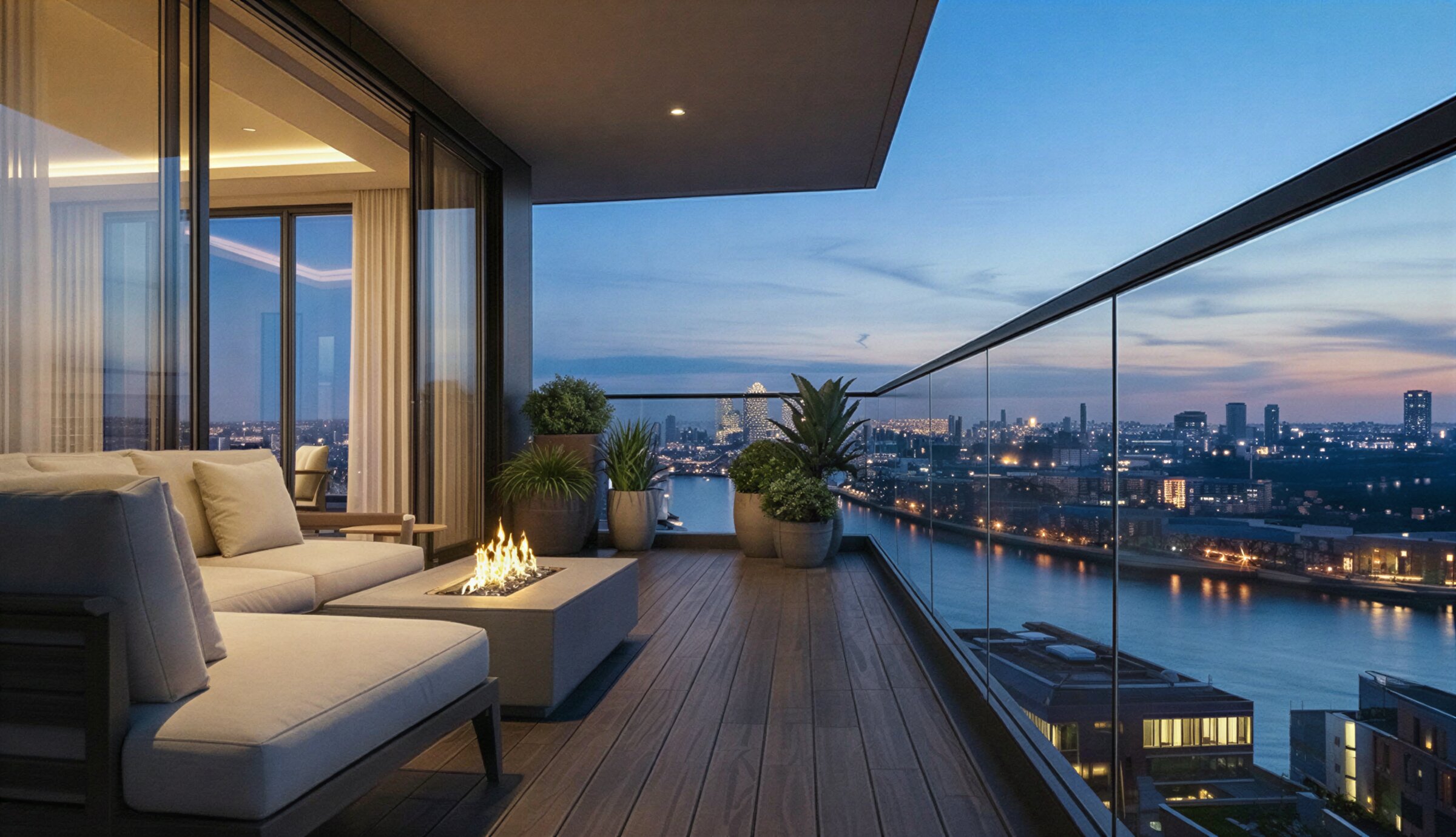
Steel fencing (tubular, flat-bar, and welded designs) provides maximum security and strength, while glass fencing delivers premium aesthetics with excellent structural performance. Both are high-end materials, but they serve different architectural priorities.
Pros & Cons
Glass Fencing
- Full transparency
- Zero rust or corrosion
- Non-climbable
- Wind protection
- Modern aesthetic
- Property value premium
- Higher cost for frameless systems
- Cannot stop deliberate forced entry
- Shows fingerprints
- Cannot be easily modified
Steel Fencing
- Maximum security
- Very high strength
- Long lifespan
- Can be custom fabricated
- Various styles available
- Security top options (spears, razor wire)
- Rusts without coating maintenance
- Blocks views (depending on style)
- Heavy and expensive to install
- Requires painting every 3-5 years
- No wind protection
- Can look institutional
Feature-by-Feature Comparison
| Feature | Glass Fencing | Steel Fencing |
|---|---|---|
| Transparency | Complete | Partial to none |
| Security Level | Medium-high | Very high |
| Rust/Corrosion | Immune | Requires ongoing treatment |
| Cost | $150-$500/ft | $50-$200/ft |
| Maintenance | Negligible | Moderate (painting, rust) |
| Wind Protection | Complete | None to minimal |
| Aesthetic Impact | Premium modern | Industrial to ornamental |
Best For: Which Should You Choose?
The Verdict
Glass fencing is for aesthetic-driven projects where transparency, wind protection, and zero-maintenance longevity are priorities. Steel fencing is for security-driven projects where physical barrier strength and intrusion deterrence are primary. For most residential and hospitality applications, glass delivers the better balance of beauty and performance.
Frequently Asked Questions
Is glass fencing secure enough for residential use?
Yes. Tempered glass panels are extremely difficult to break (4-5x stronger than regular glass). While glass is not designed as a forced-entry barrier like steel security fencing, it exceeds all building code guard and barrier requirements for residential applications.
Which lasts longer: glass or steel fencing?
Without maintenance, glass far outlasts steel because glass does not rust or corrode. With diligent maintenance (painting, rust treatment every 3-5 years), quality steel fencing can last 30-50 years. Glass requires essentially zero maintenance for a 25-50+ year lifespan.
How much does steel fencing cost compared to glass?
Ornamental steel fencing costs $50-$200 per linear foot installed. Glass fencing costs $150-$500 per linear foot. However, steel requires ongoing anti-corrosion maintenance costing $3-$8 per linear foot every 3-5 years. Over a 30-year period, the total cost gap narrows to 40-60% when steel maintenance and potential repainting are factored in.
Does steel fencing rust even with powder coating?
Yes. Powder coating and galvanizing significantly slow corrosion but do not eliminate it. Any chip, scratch, or weld point that exposes bare steel begins to oxidize. In humid, coastal, or pool-adjacent environments, powder-coated steel can show rust within 5-10 years. Glass cannot rust, corrode, or degrade from any environmental exposure.
Is steel or glass fencing better around pools?
Glass is significantly better for pool barriers. Steel pickets and rails are climbable — a critical safety concern with young children. Glass is non-climbable and provides unobstructed swimmer supervision. Steel also corrodes from pool chemical splash (chlorine, salt), while glass is chemically inert. For aesthetics, glass preserves the visual openness of a pool area, while steel creates a caged appearance.
Can glass fencing provide wind protection like steel cannot?
Yes. Glass panels act as solid windbreaks, reducing wind speed by 80-95% on the leeward side. Steel bar, picket, and tubular fencing allows wind to pass through freely. This makes glass ideal for pool decks, outdoor dining areas, and rooftop terraces where wind comfort directly impacts usability of the space.
Which is better for coastal properties: glass or steel?
Glass is vastly superior in coastal environments. Standard carbon steel corrodes rapidly in salt air, often within 2-5 years. Even 304 stainless steel develops tea staining near the coast. Only 316 marine-grade stainless resists salt corrosion well, but at a premium price ($200-$400/ft for fencing). Glass with 316 stainless hardware is specifically engineered for coastal applications and provides unobstructed ocean views that drive coastal property value.
Is glass fencing safer than steel for children?
For fall protection and pool barriers, glass is safer because its smooth surface is non-climbable. Steel pickets and horizontal rails can be climbed like a ladder. Glass also provides unobstructed visibility for monitoring children at play. For perimeter security (keeping children within a yard), both materials are effective when properly installed to code requirements.
More Comparisons
Back to Glass Fencing Guide | Cost Guide | How-To Guides | Solutions | Glossary